Referral Program Examples: Real Ecommerce Brands Worth Learning From
Most of the best referral program examples in ecommerce are hidden in plain sight, running on the brand sites you already know, tucked into customer accounts you already have. We pulled several examples together below. Every brand on this list runs its program on ReferralCandy, which means we've gotten to watch them up close, and every one of them earned their way onto this list. Some keep their referral page public, and those we've linked. Others gate the join page to existing customers, so you'll need to give these brands a try as a customer before you can join their referral community.
These referral program examples cover a wide range of industries: From a 9-year-old building robots from a monthly subscription box, a deodorant brand that helped put "whole-body" on store shelves, or a hardware wallet that's been securing crypto since before most people knew what crypto was. On the surface, CrunchLabs, Lume, and Trezor have nothing in common — but all three run referral programs, and that's where things get interesting. Great referral programs don't share a template. They share a fit. A subscription box leans on unboxing moments. A mass-market brand turns everyday word-of-mouth into revenue. A crypto company activates trust networks that already exist inside its community. Same tool, but completely different shapes.
The referral programs examples come from ecommerce business who are part of our beloved list of ReferralCandy merchants. Some influencer-powered, some celebrity-backed, some quietly compounding in niches you've never heard of. Scroll through, and see which shape looks like yours. You'll quickly notice that the pattern becomes hard to miss: The strongest referral programs belong to brands with a point of view — a product the category actually needed, a founder who means what they say, a community that formed because the brand earned it. The reward matters, but it's downstream of the thing that made these brands worth recommending in the first place.
1. CrunchLabs
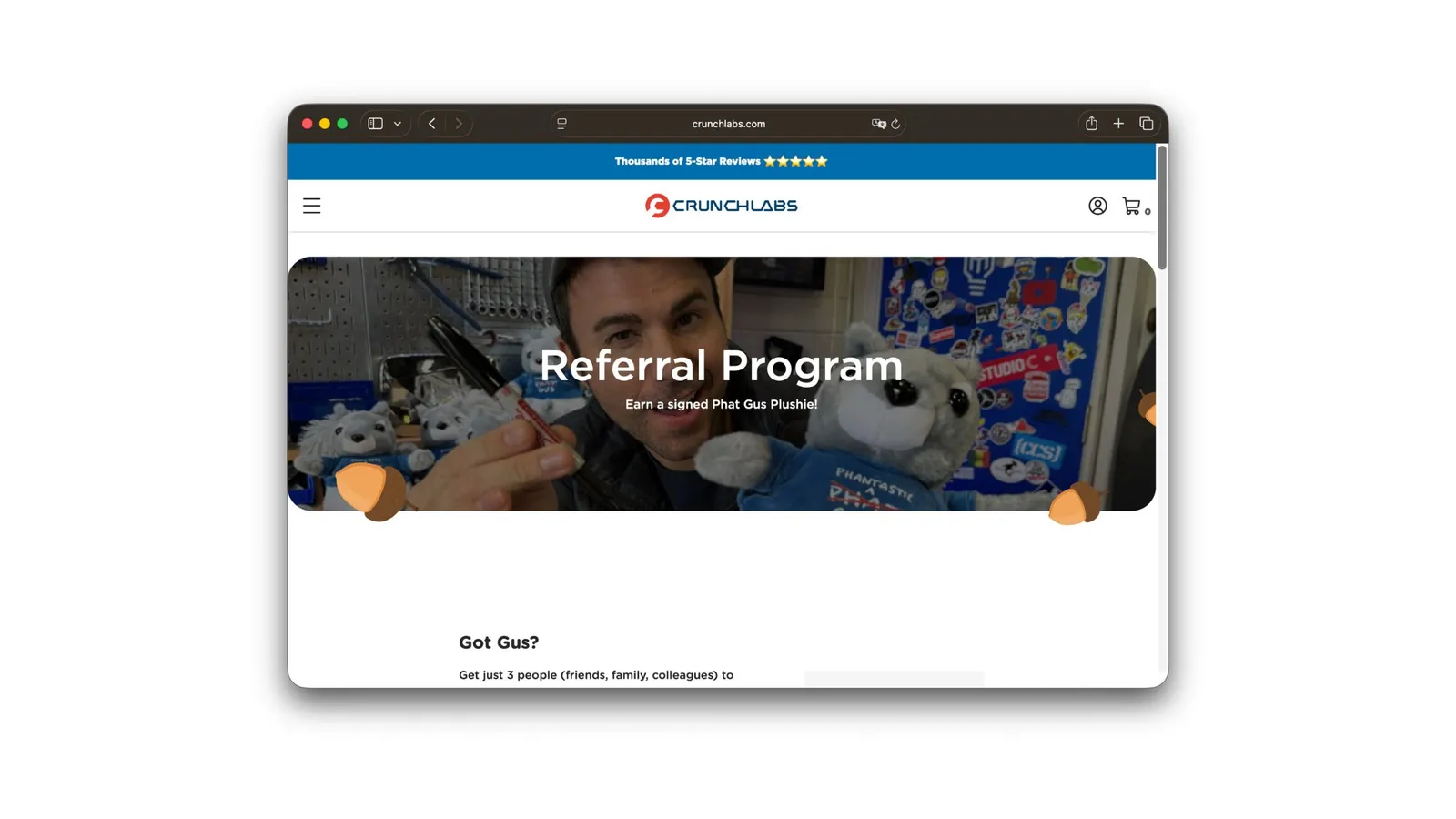
Mark Rober's engineering classroom in a box. Each month kids build a new mechanism — things that fly, flip, launch, or solve problems — guided by the former NASA engineer who made millions of people fall in love with tinkering on YouTube. The subscription is the rare kids' product that parents recommend to each other because their own kids actually finish it. Referrers earn $10 in store credit for every new subscriber they bring in, plus a signed Phat Gus plushie after three successful referrals — a branded collectible tied to the program itself. Rewards with personality tend to outperform flat cash in brands built on personality.
2. Dua
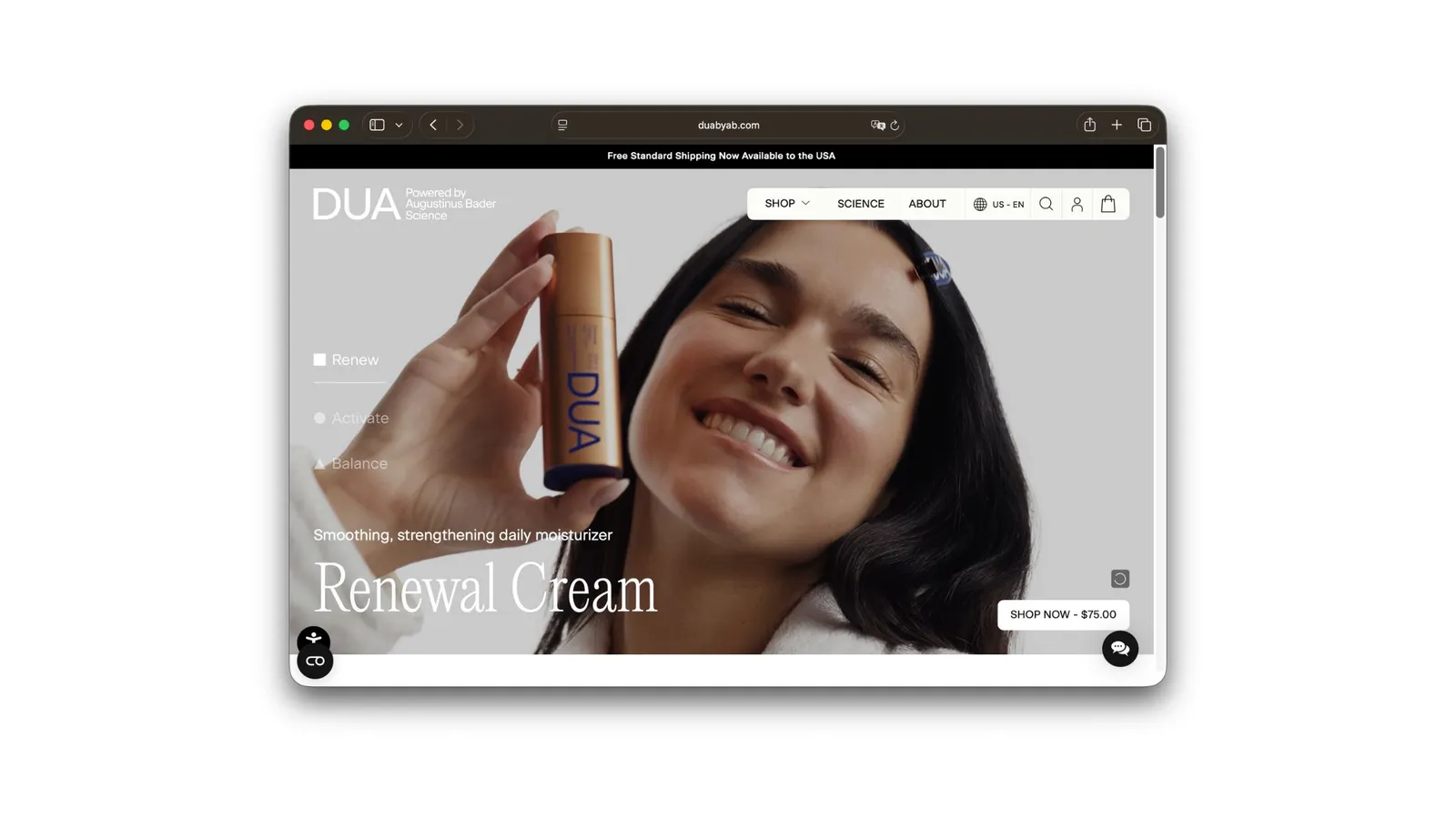
Dua Lipa's skincare line, built with Augustinus Bader — one of the most clinically-respected houses in biotech skincare. Three products: a cleanser, a glow serum, and a moisturizer, using a reworked version of Bader's signature technology tuned for skin between 18 and 35. It's a bridge from prestige biotech into a younger audience, not a celebrity licensing deal bolted onto an existing formula. The referrals run symmetrical: the friend gets 10% off their first order, and once they shop, the referrer gets 10% off their next.
3. P.volve
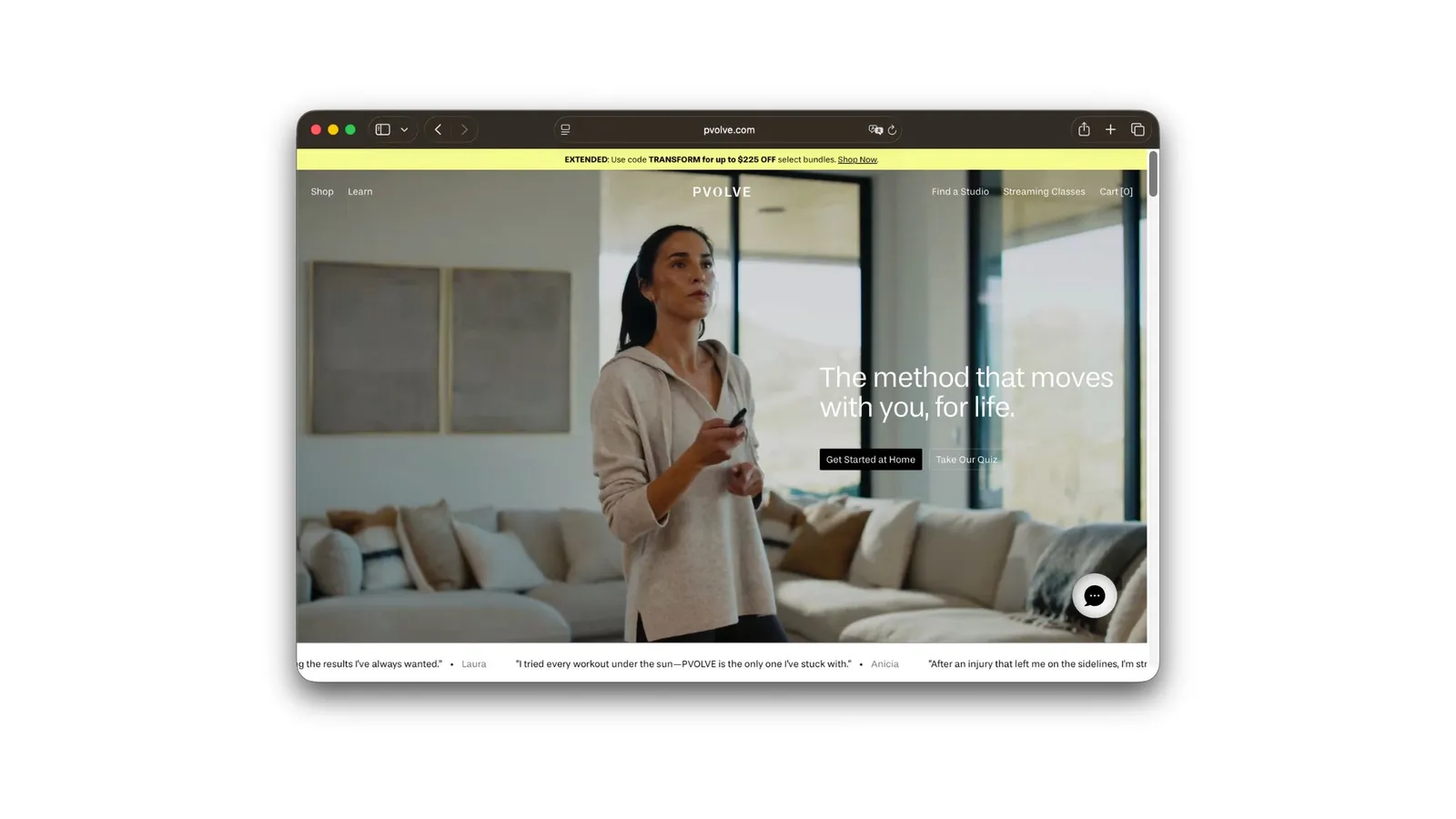
P.volve is a fitness system built around proprietary equipment and streaming classes, positioned as a longevity workout — strength, mobility, and stability for the long haul, rather than a sweat-and-suffer aesthetic. Jennifer Aniston is a public, long-running advocate, which tells you something about who the brand is for and why it keeps its community tight. The program hands the friend $15 off, and matches it with $15 of credit for the referrer, usable toward equipment, apparel, or the Sculpt 9 bundle.
4. VitaHustle
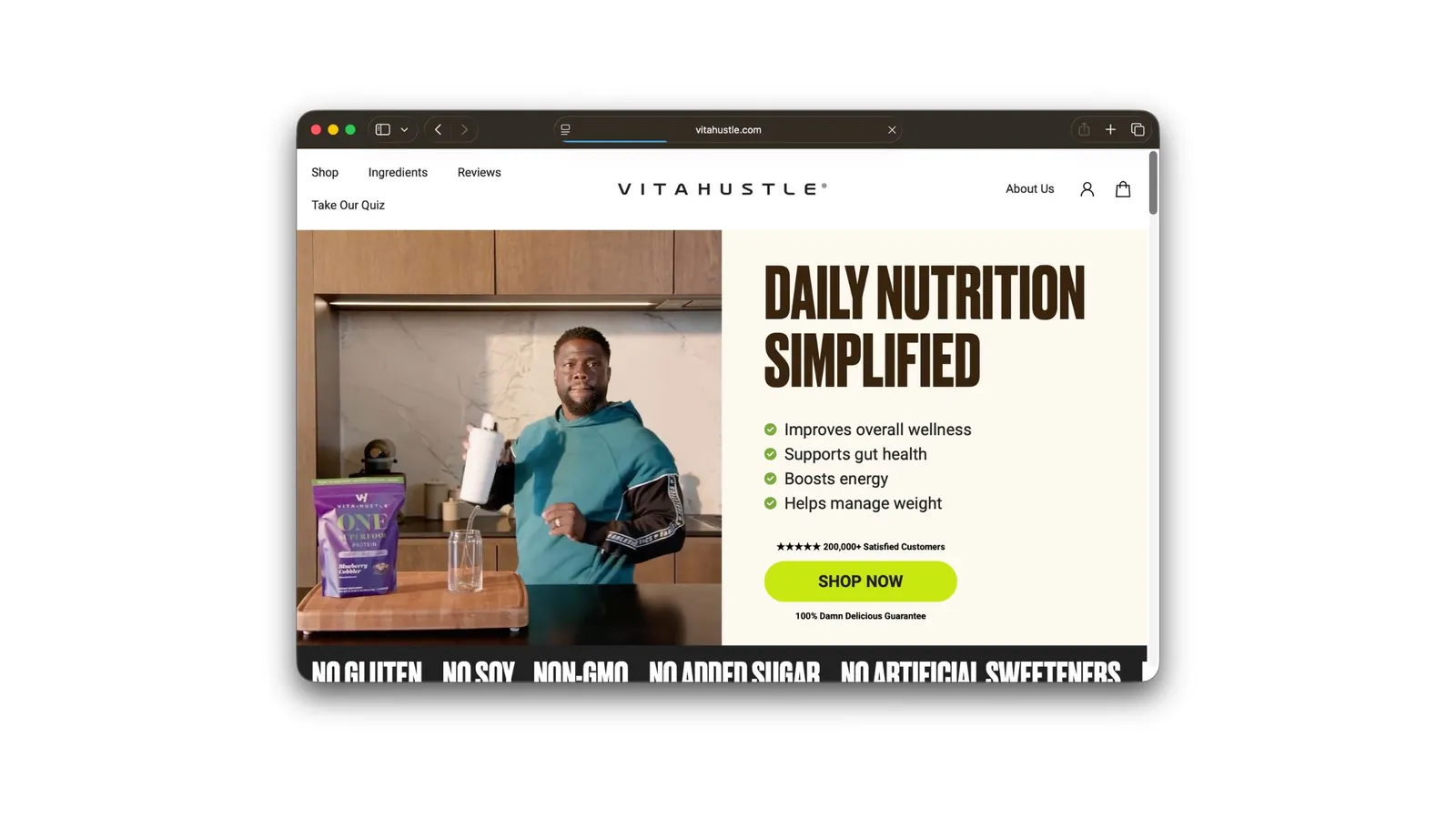
Kevin Hart built VitaHustle around a specific frustration — that eating decently on a busy schedule usually means juggling five or six supplement bottles. The all-in-one superfood protein shake consolidates that stack into a single scoop, which tells you exactly who it's for: people whose schedules won't accommodate a wellness routine. The referral reflects the same logic — friends get $20 off when they order two or more bags, and the referrer earns $20 back once the order goes through.
5. Pique Life
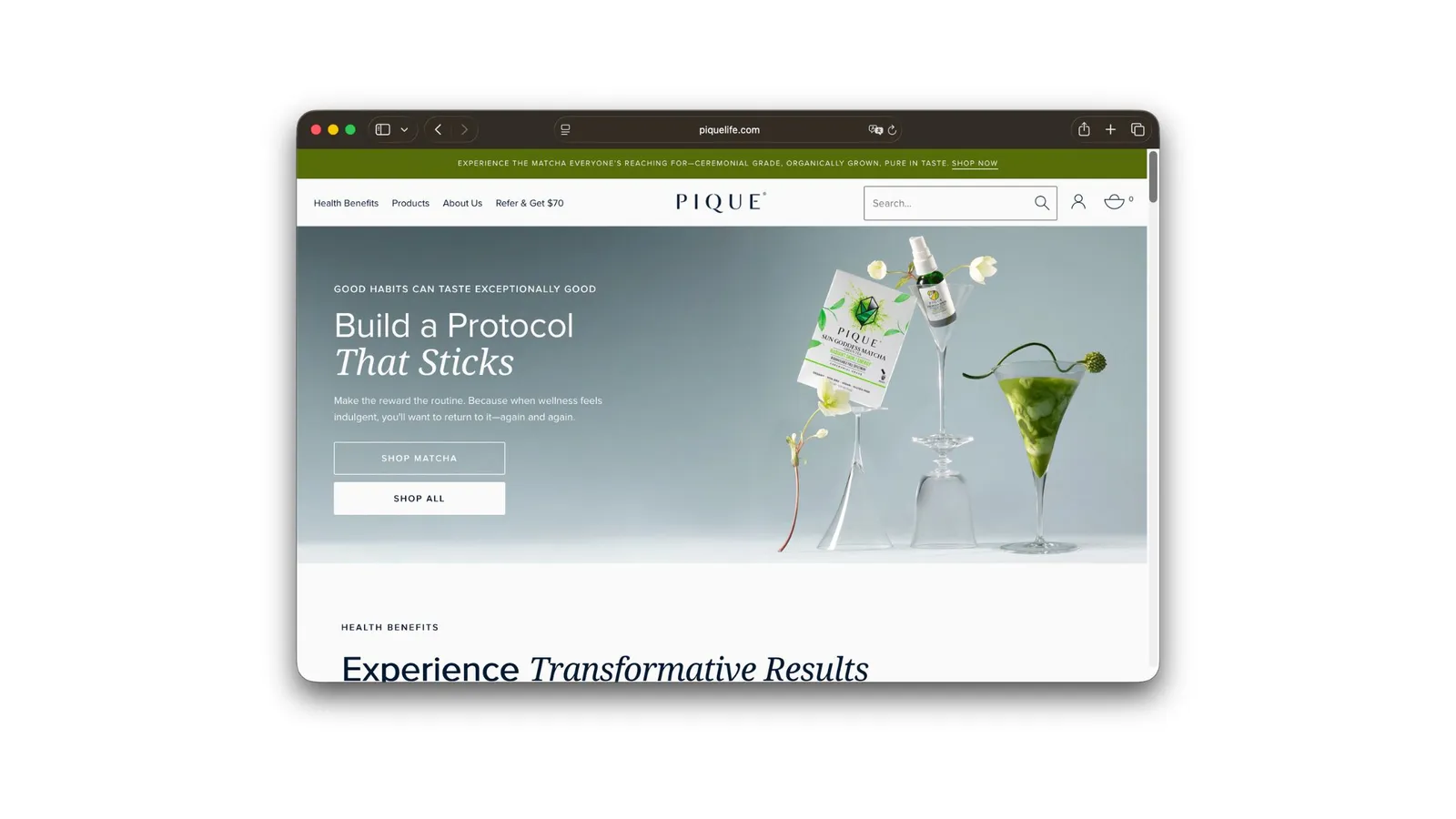
Pique is tea taken seriously — premium-sourced blends, specialty formats like liposomal vitamin C, and a customer base that reads ingredient labels for fun. It's the tea brand for people who want the wellness benefits without fussing over leaves, kettles, and steep times. Referrers earn a $70 credit and the friend receives a complimentary sample pack — a smart pairing, because in tea the thing that actually converts isn't a discount code, it's putting the product in someone's cup.
6. Everyday Dose
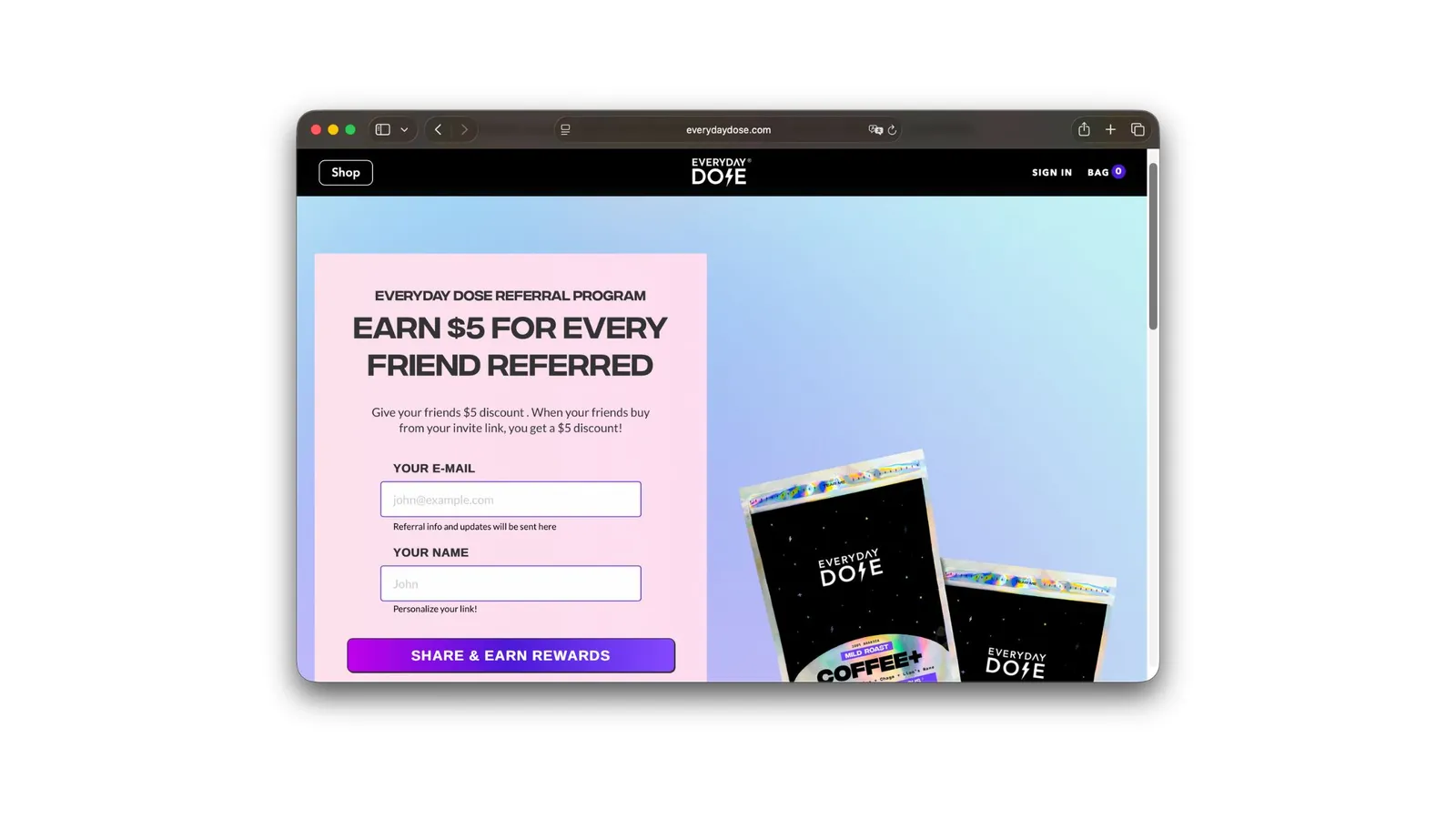
Coffee for people renegotiating their relationship with caffeine. A functional mushroom blend — lion's mane, chaga, collagen, L-theanine — with less than half the caffeine of a regular cup, which turns out to be the ratio a lot of people actually wanted once somebody offered it. The brand sits with the morning-ritual crowd that wants the cup without the crash. Referrals give the friend's first order $5 off and the referrer $5 in credit, with no cap on how many friends they can bring in.
7. IQBAR
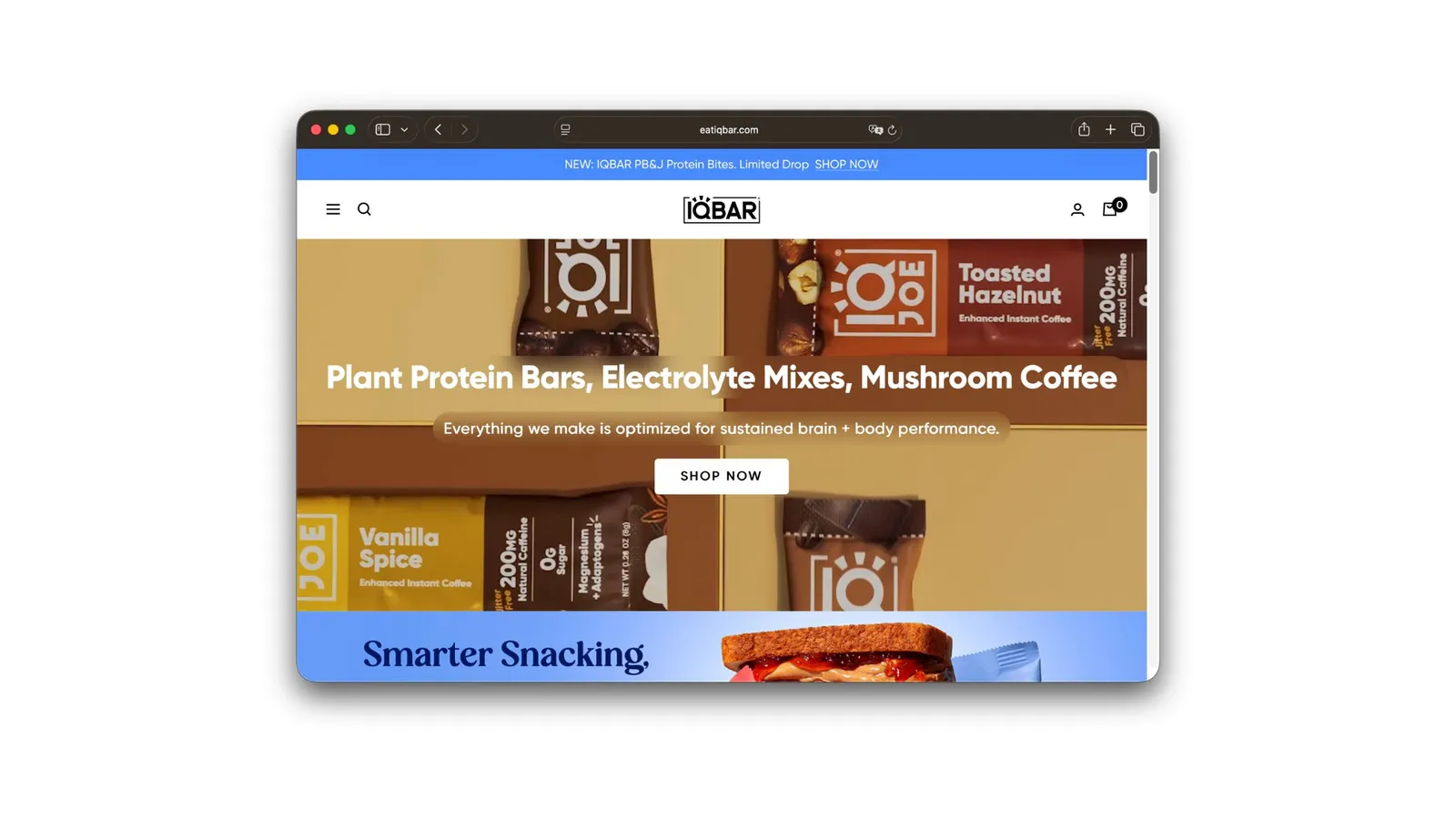
Plant protein bars that take the brain as seriously as the muscles. IQBAR is the rare snack brand positioned around nootropics plus protein — brain food that happens to come in bar form, in a category usually split between taste-first and macro-first. The product finds its people through podcast recommendations and repeat-order subscriptions more than through paid ads. The referral gives 30% off to both sides — a discount big enough to actually change a cart.
8. Jimmy Joy
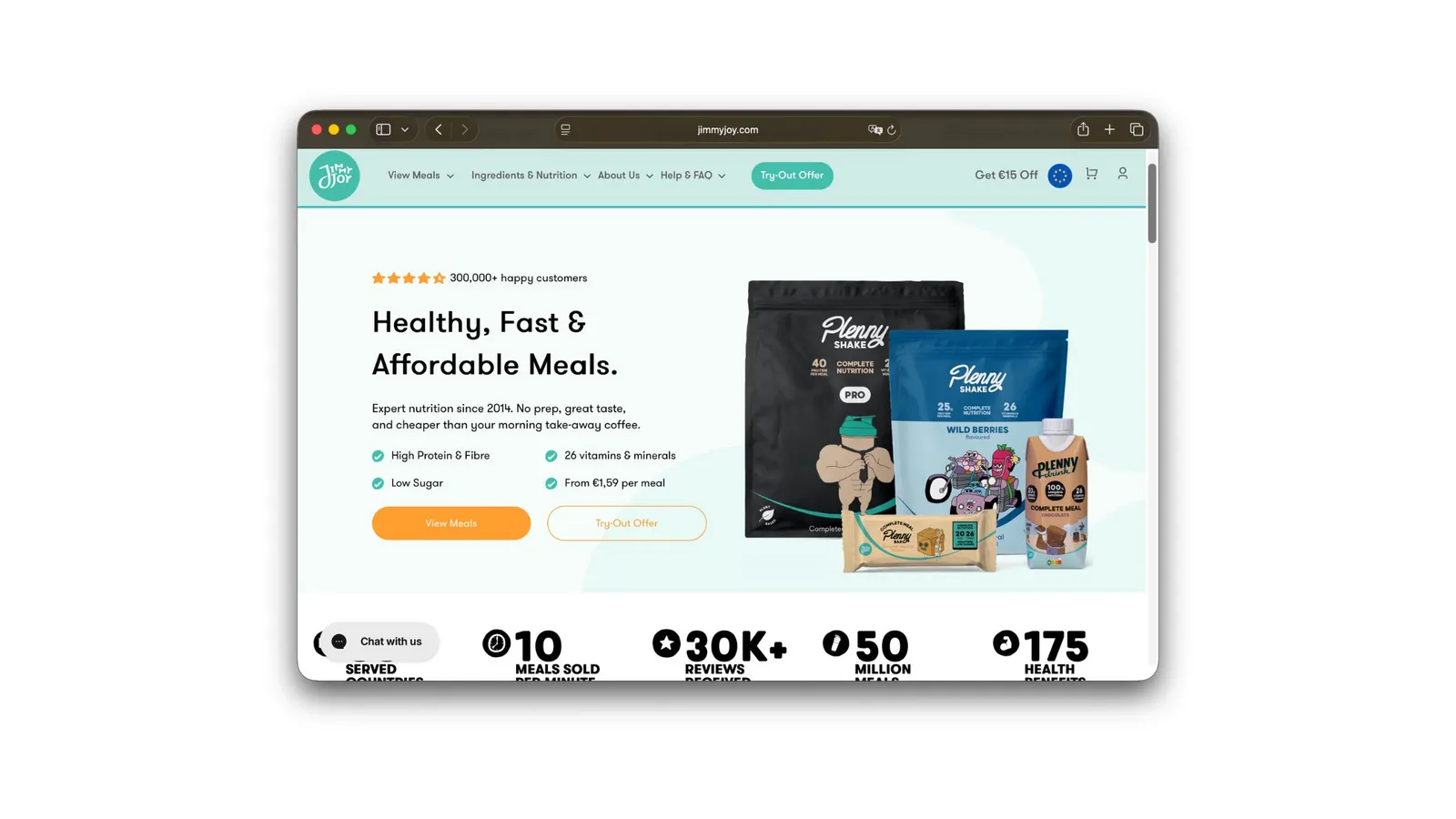
European meal-replacement brand built around a simple question: if eating is a chore on some days, why make it complicated? Nutritionally complete shakes, bars, drinks, and hot meals for people who'd rather spend their decision-making energy somewhere other than the grocery aisle. Both referrer and friend get €15 off — symmetrical, which keeps the ask feeling like a favor between friends rather than a sales pitch. Nobody walks away feeling they gave more than they got.
9. LMNT
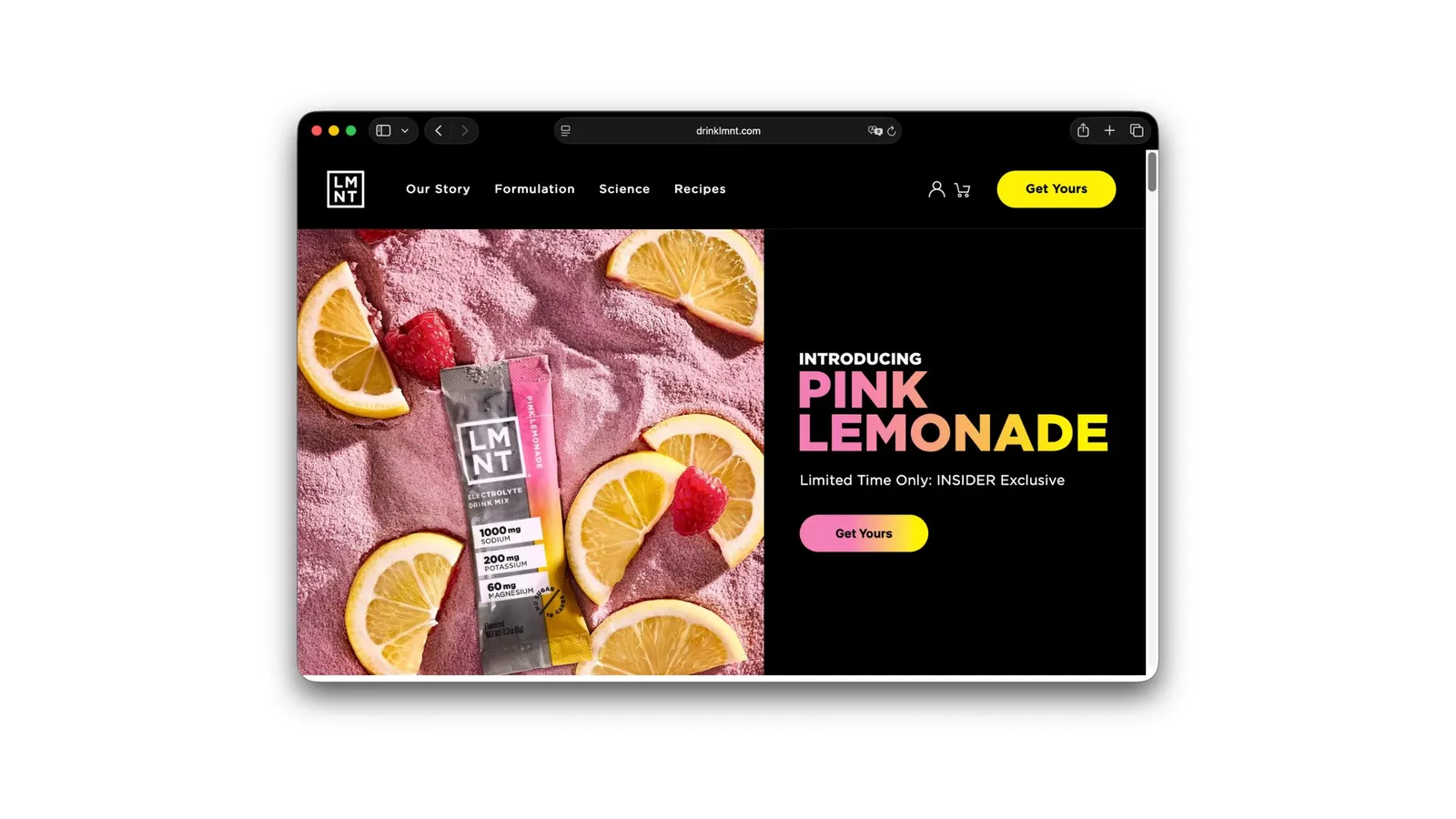
Zero-sugar electrolyte mixes, co-founded by ancestral-health figure Robb Wolf. LMNT's audience sits in the keto, endurance, and sauna-obsessed corners of the internet — people who treat electrolyte replenishment as part of a routine rather than an afterthought. The brand's growth has been almost entirely peer-to-peer, with customers handing out sample sticks at the gym and the trailhead long before any program existed. The referral reward is a free box when a friend buys through the invite link — product-as-reward, which fits a brand whose customers were already doing the recommending for free.
10. Lume
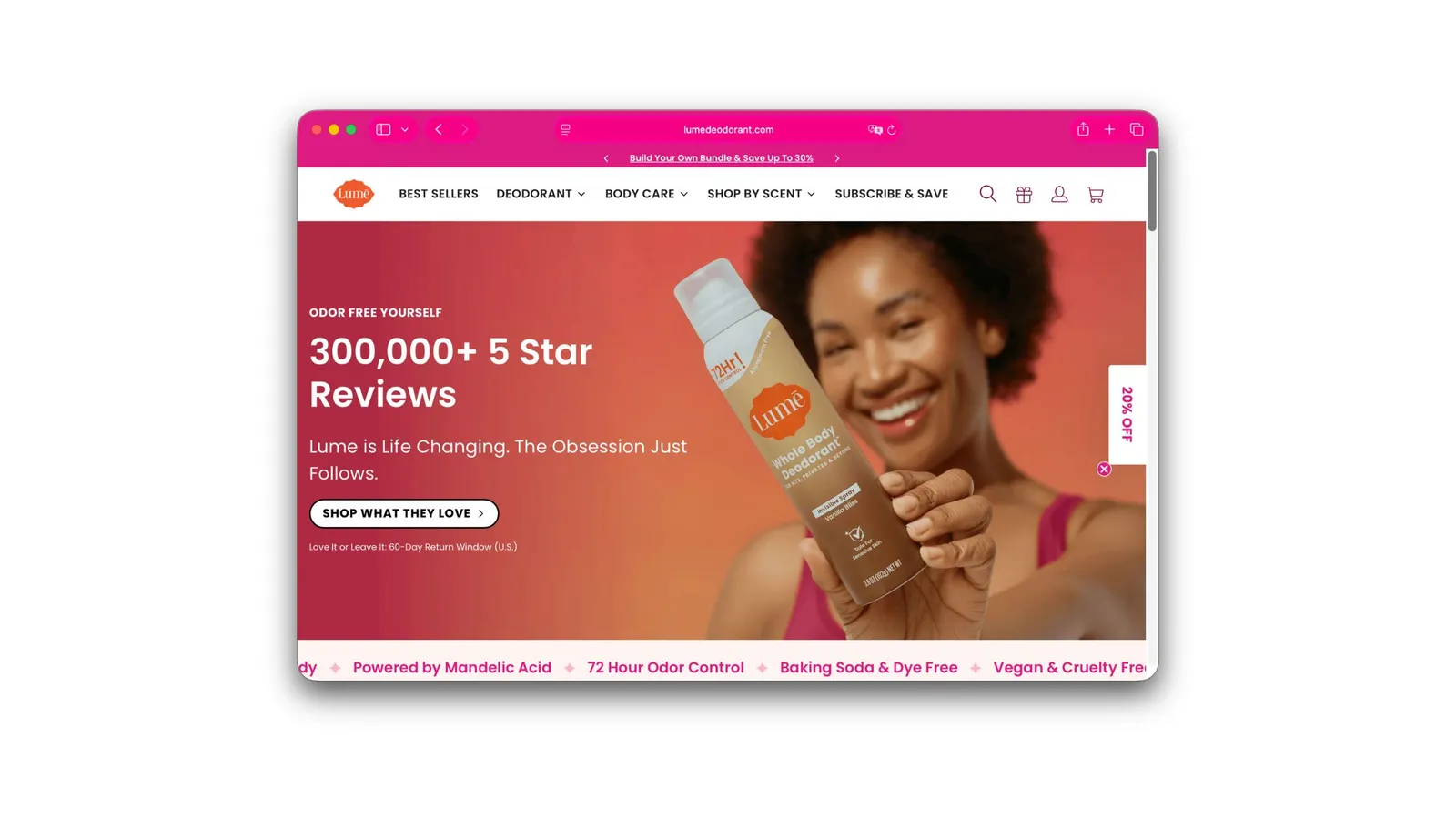
A whole-body deodorant that's refreshingly direct about body odor in a category that usually isn't. Lume was built to work on areas traditional deodorants ignore, with a formulation calibrated for sensitive skin, and an ad voice that meets the awkwardness of the topic head-on rather than dressing it up. It earned a following because customers felt spoken to rather than sold to. The referral gives the friend $5 off their first order (on purchases of $25 or more) and the referrer a $5-off coupon on their next.
11. Alohas

A European footwear brand that cracked on-demand manufacturing — they produce pairs after customers pre-order rather than before, which cuts waste and opens up a design range that conventional buy-and-hope retail won't support. Leather sneakers, boots, loafers, heels, and sandals, all designed with a clear aesthetic point of view. Friends get €20 off their next purchase through the invite link, and the referrer earns €20 back once the friend shops. Sized for repeat customers rather than one-time discount hunters, which fits a brand selling taste.
12. Jonas Paul Eyewear
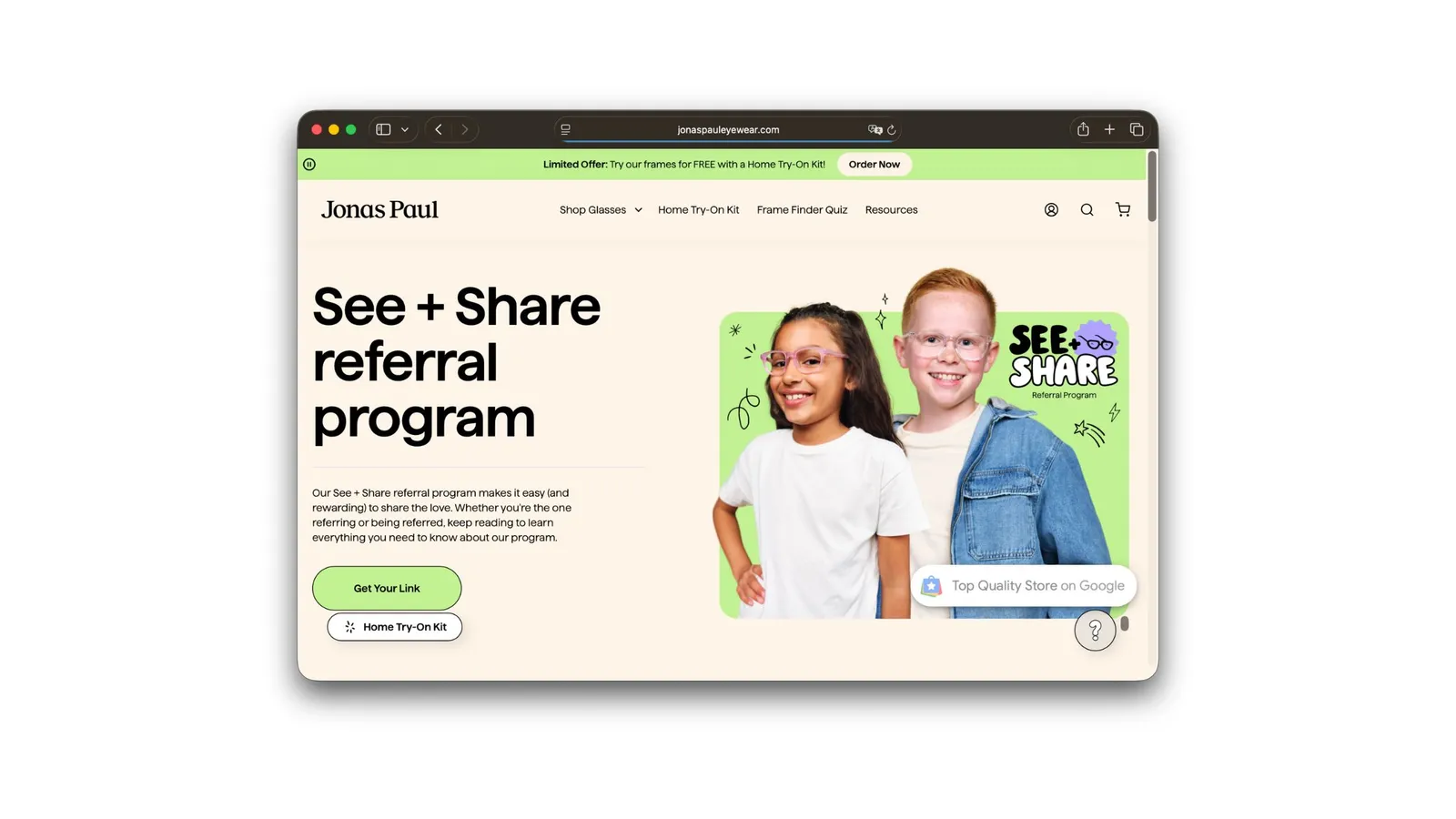
Kids' eyewear has been a neglected category for decades — boring frames, questionable durability, or both. Jonas Paul rebuilt it around frames kids actually want to wear, and extended that same design care into adult eyewear. The parents buying for their kids frequently become customers themselves, which is how a quiet niche turned into a real brand. Friends get 50% off their first $49+ purchase; the referrer earns $50 in store credit per referral, uncapped. Generous on both sides, with smart email reminders which fits a category where parents recommend parents long before any program gets involved.
13. Santevia
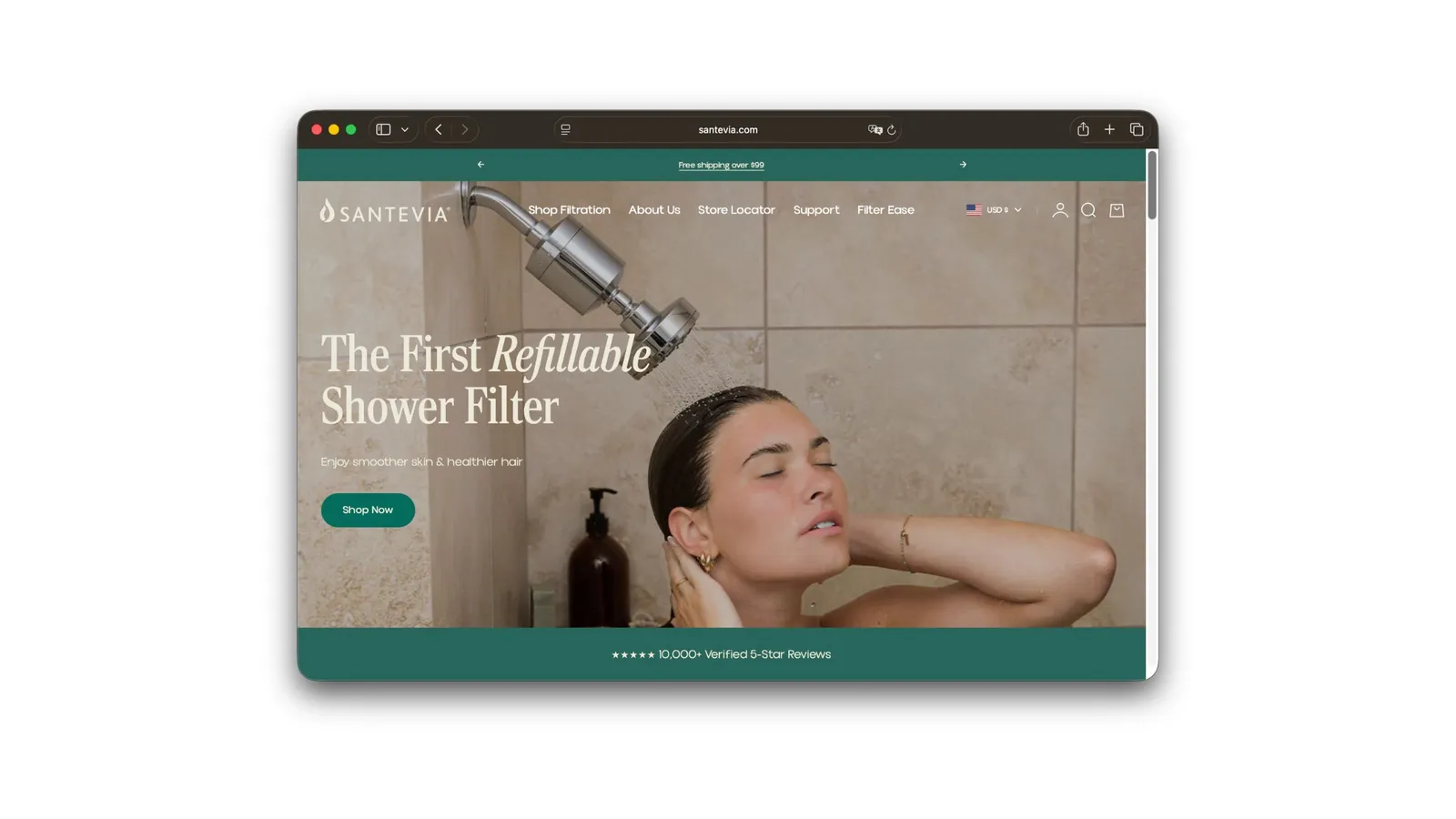
Most household water filtration strips water down to something flat. Santevia's pitch is the opposite — remove the contaminants, then restore the minerals the body actually uses. The brand lands with households that read labels and treat their water the way they treat their food: as something worth taking seriously. Friends get 10% off filtration systems; the referrer gets 15% off. Asymmetric in the referrer's favor, which makes sense when the customer is usually the household's lead researcher and primary repeat buyer.
14. Trezor
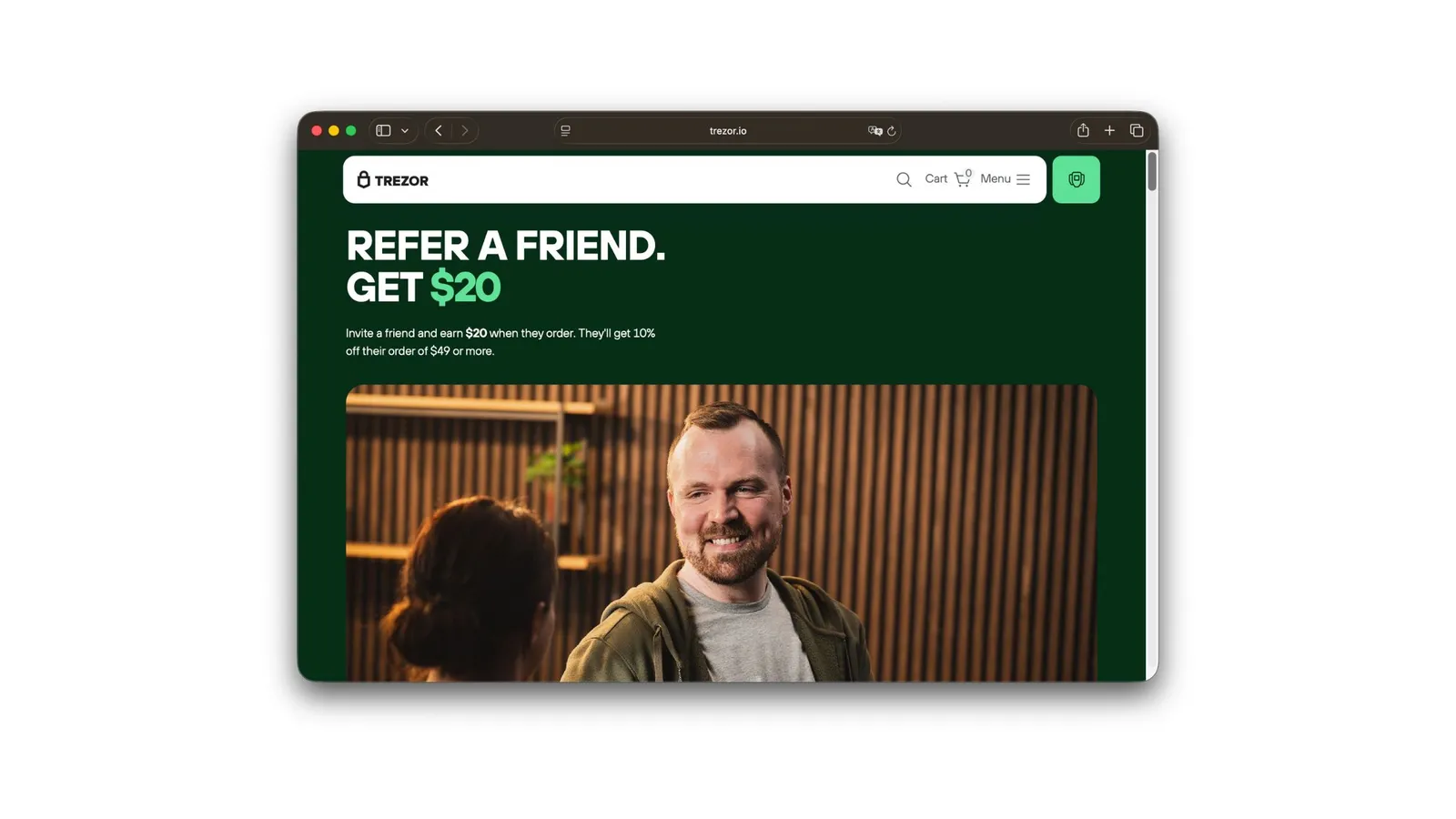
Trezor created the hardware wallet category — the original open-source, Czech-built answer to the self-custody problem that every serious crypto holder eventually runs into. More than a decade later, the brand still carries a quiet credibility earned by being early and being right. Friends get 10% off their first $49+ purchase; referrers earn $20 in Trezor vouchers per qualifying purchase, capped at 50 friends and $1,000 per year. Big enough to reward real community builders, structured enough that it doesn't become a farming scheme.
15. Govee
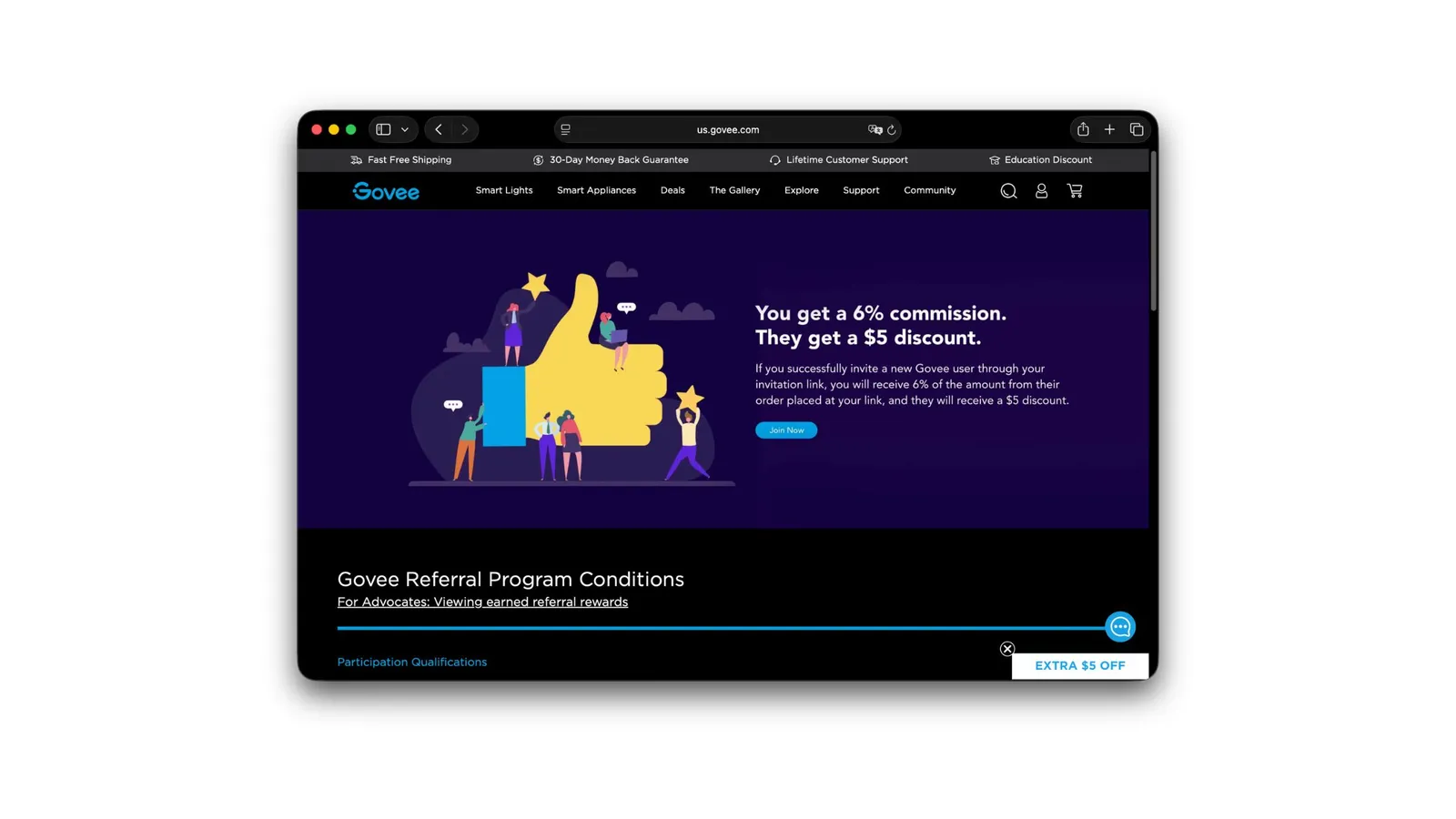
Govee is smart lighting for maximalists — RGBIC LED strips, outdoor ambient setups, music-reactive lamps, plus the smart plugs and sensors that round out a connected home. Its customers post their Govee-lit spaces online constantly — living rooms, gaming setups, holiday displays — which means a referral program sits naturally on top of content that was going to get made regardless. Friends get $5 off a first order of $30 or more, and the referrer earns a 6% commission on that purchase. Percentage-based commissions are unusual in consumer referrals — they treat active sharers more like affiliates than occasional recommenders.
16. Matic
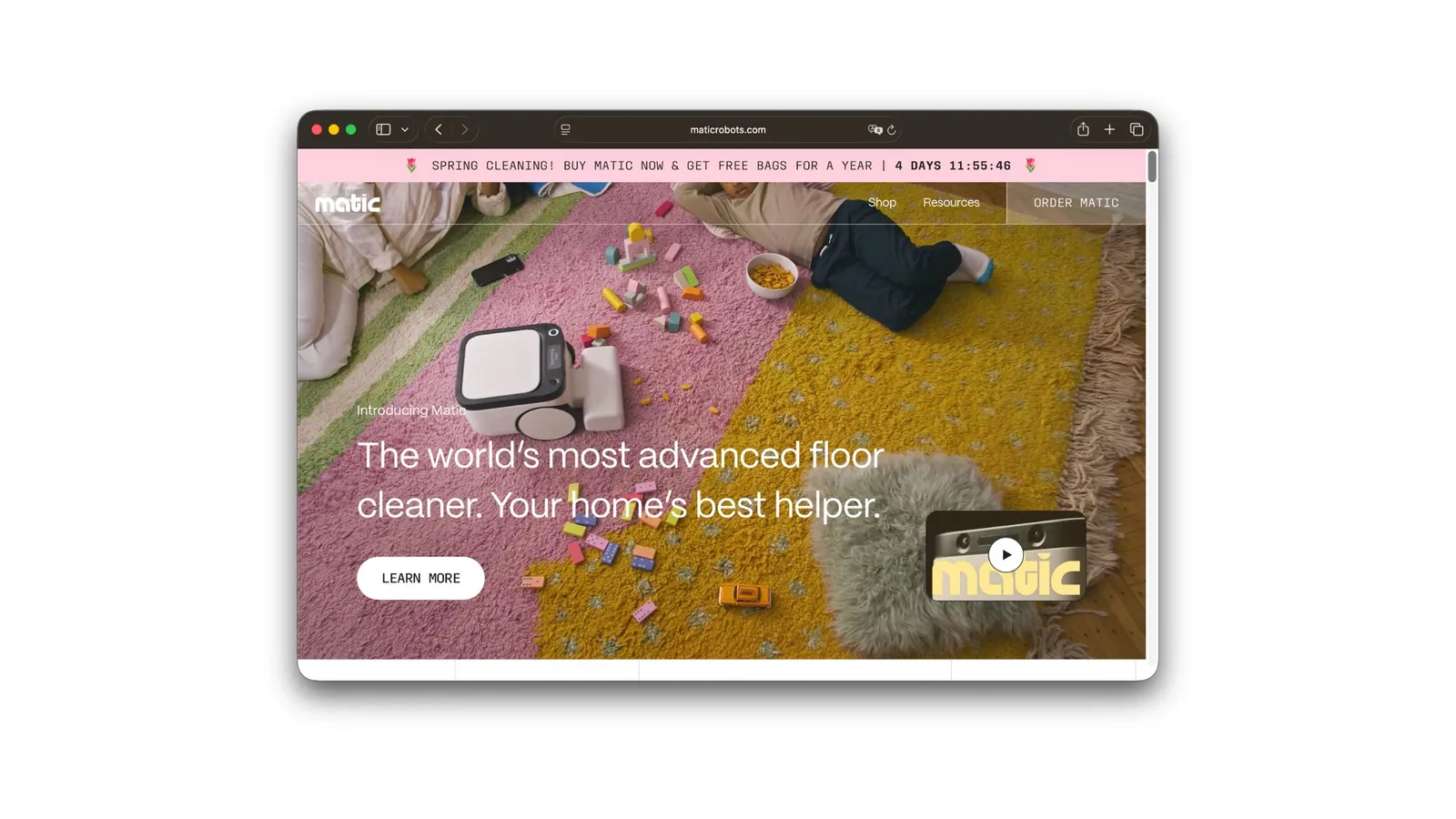
A robot vacuum and mop built with a different philosophy than most of the category — a premium-hardware sensibility in a space that's become crowded with commodity devices. The brand is for people who want a robot cleaner that holds up to scrutiny rather than one that races to the bottom on price. Referrers earn $50 in store credit for every friend who buys Matic through their link, and the friend gets a free Annual Bag Pass. Pairing cash-equivalent credit with a consumable gift is a clean move in high-ticket hardware, where the first-year experience is what turns a buyer into an evangelist.
17. VOITED
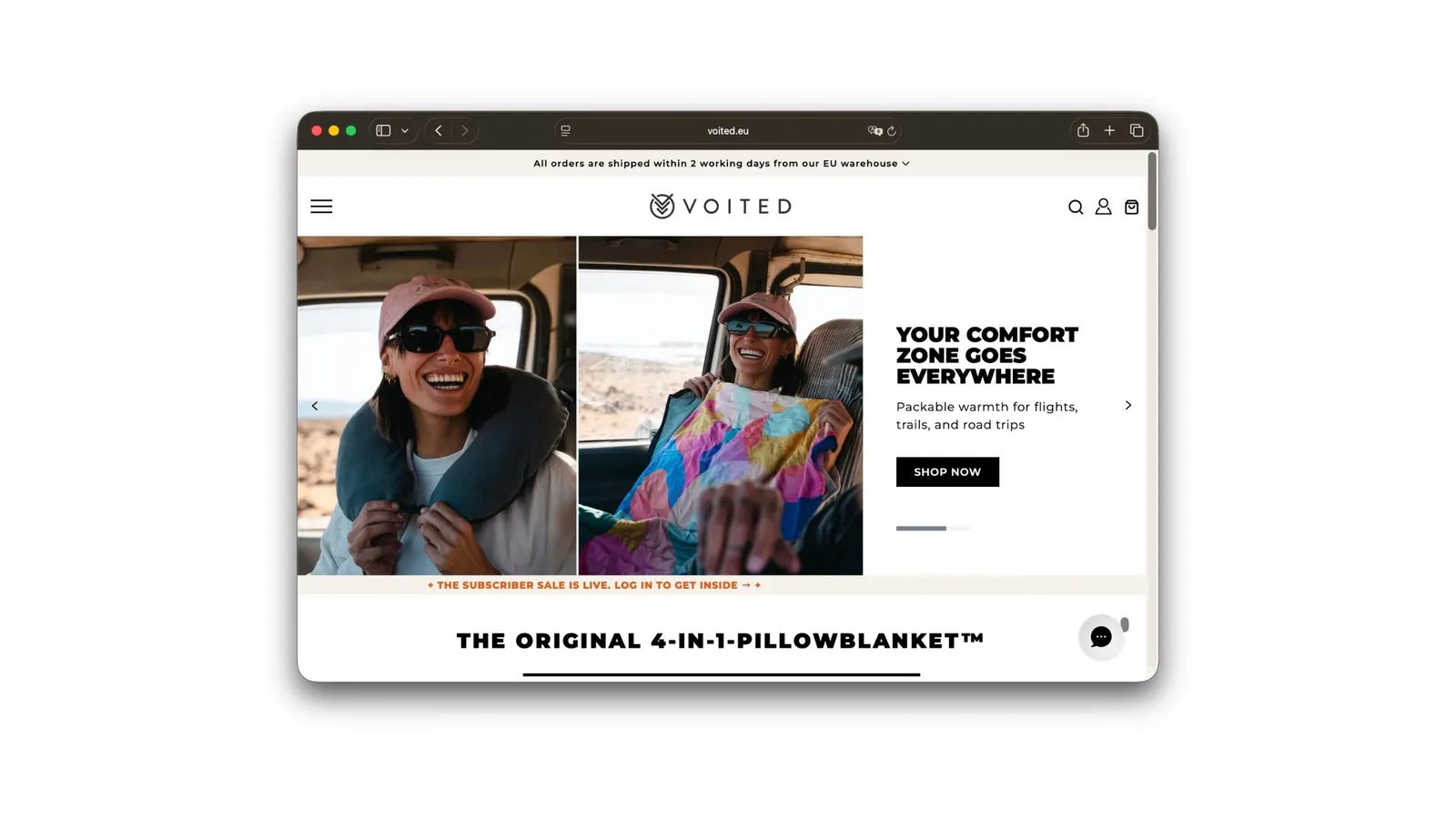
VOITED makes the in-between gear — the 4-in-1 PillowBlanket, the changewear ponchos, the apparel and accessories for people whose relationship with the outdoors isn't seasonal. It's designed for campsites, van meetups, cold-water swims, and whatever happens in the parking lot afterward. The kind of brand whose gear gets photographed in use more often than on a shelf. Friends get 15% off, and the referrer gets 10% on their next purchase. Tilting the reward toward the new buyer is smart for a brand whose first purchase is usually the one that makes the customer fall for it.
18. Pukas Surf
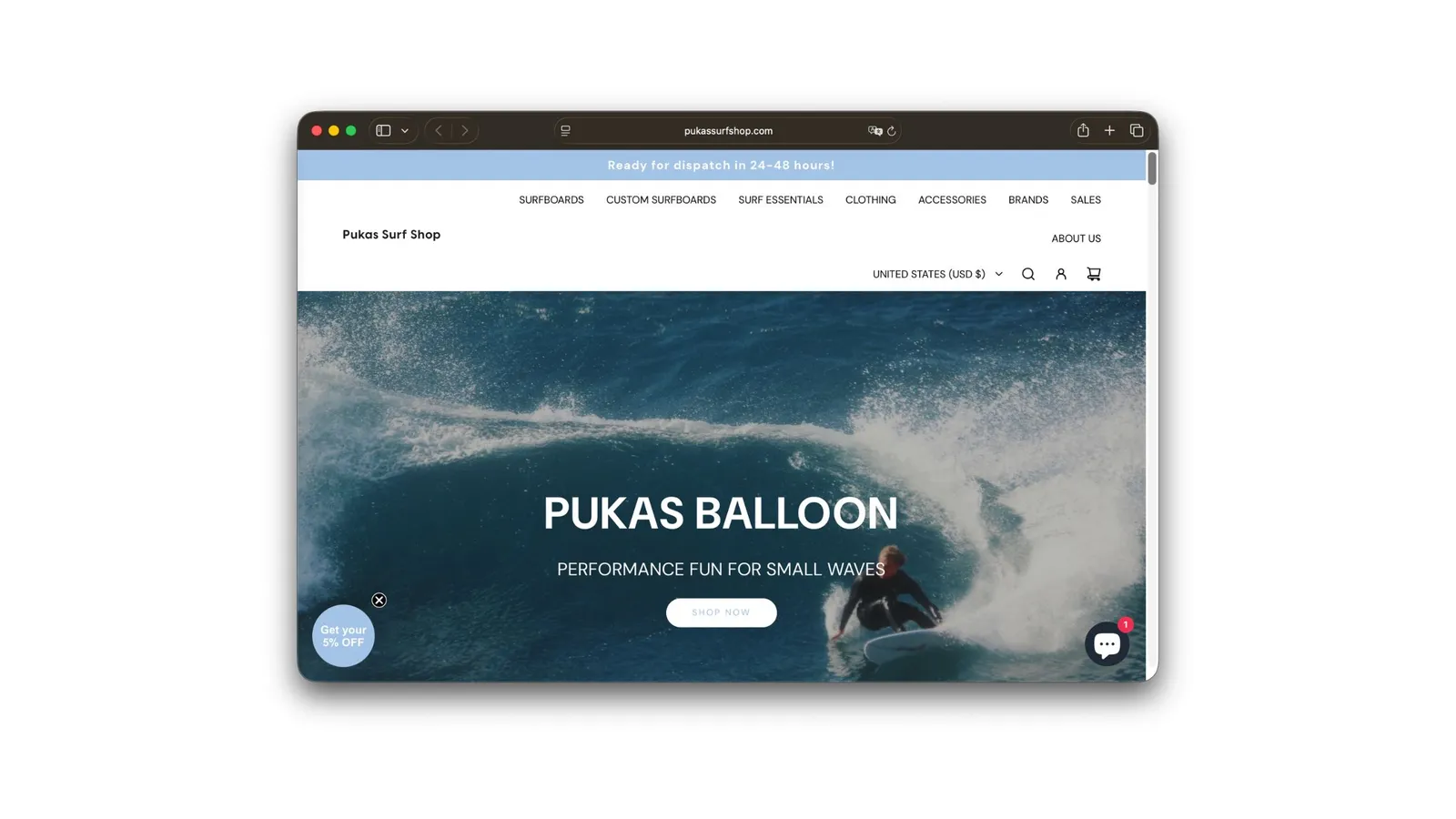
Pukas traces back to a 1970s group of friends who decided surf and surfboard craft would be their life. Today, Pukas is one of the respected names in European surfing, based in the Basque Country, The referral program is modest on purpose — friends get 5% off, the referrer gets 7%. When the board you sell carries its own reputation among people who actually surf, the referral doesn't need to shout.
19. Fast Growing Trees
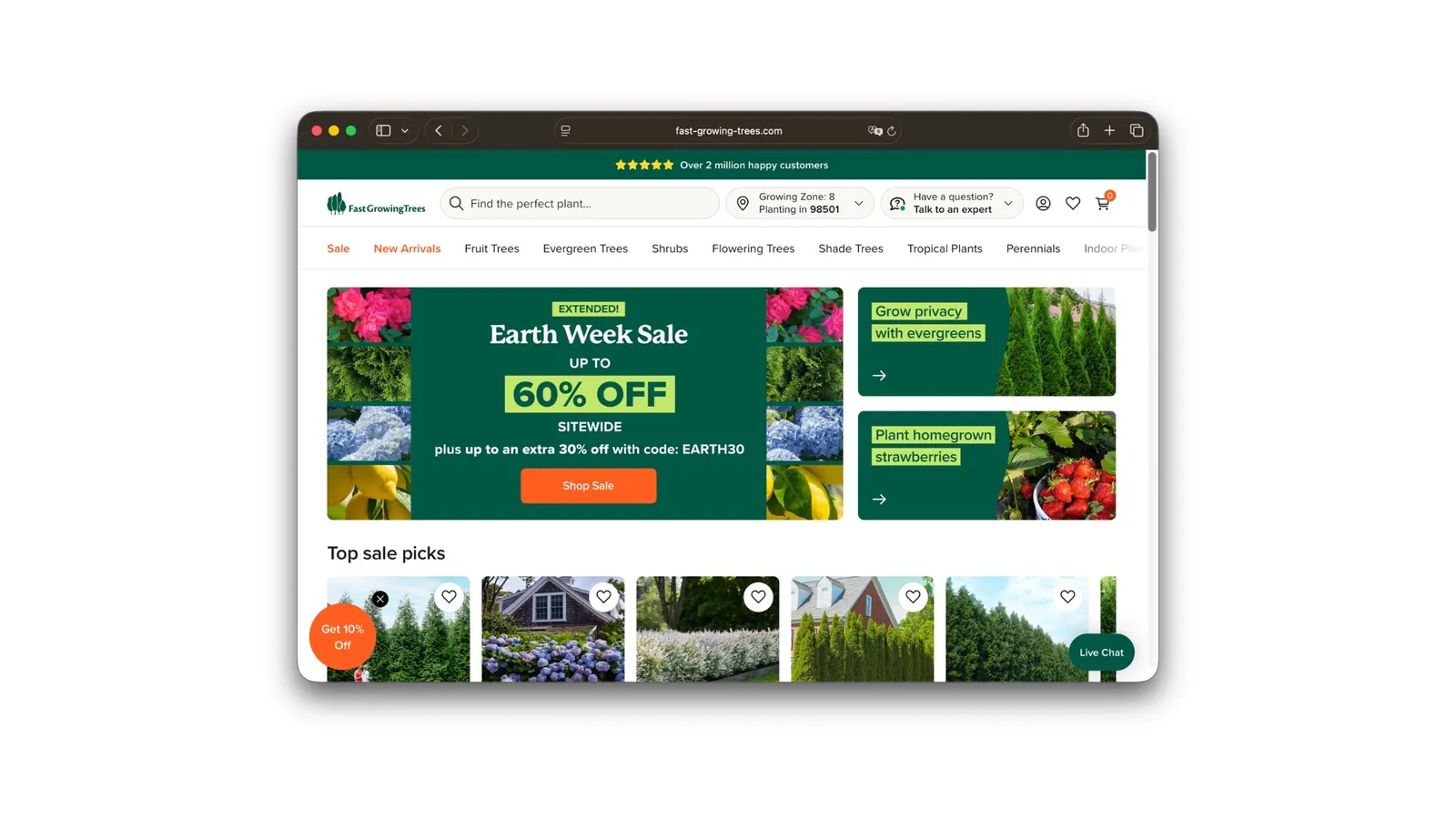
Selling living plants through the mail is a genuinely hard logistics problem, and Fast Growing Trees has spent years figuring it out. Trees, shrubs, and plants matched to growing zones, supported by enough infrastructure on the back end to arrive healthy. Its customers are home gardeners who discovered that mail-order plants can actually be trusted when somebody bothers to do the job properly. Friends get 20% off their first order, and the referrer gets 20% off their next. Generous symmetric rewards work here because gardening is inherently social — neighbors want enough savings to justify the recommendation out loud.
The pattern across all of them
Scan the list and the shape gets obvious. The product is the kind of thing customers genuinely like to share. The brand has built enough trust that a referral feels useful rather than transactional. And the reward structure fits the category — symmetric where friends recommend friends as peers, asymmetric when one side does most of the research, product-as-reward when the item itself is already the pitch. If you're shaping your own program, those are the patterns worth borrowing, not the exact dollar amount of anyone's credit.
There's no single right way to build a referral program. CrunchLabs doesn't copy Lume. Lume doesn't copy Trezor. Each of these brands picked a shape that matched who their customers already are and how they already talk about the product. That's the part worth stealing. A 20%-off coupon doesn't hit the same for a $10 deodorant as it does for a high-consideration hardware purchase. A VIP tier won't feel right for a once-a-year buy. Pick the shape before you pick the offer — and it compounds.
If any of the programs above sparked something, that's your cue. You don't need a big launch to start; you need the right shape and a way to ship it. Every brand above runs on ReferralCandy, which among these features, it has a pricing structure that incentivizes referral growth. If one of these referral program examples looks close to what you'd want for your own store, you already know where to start.